
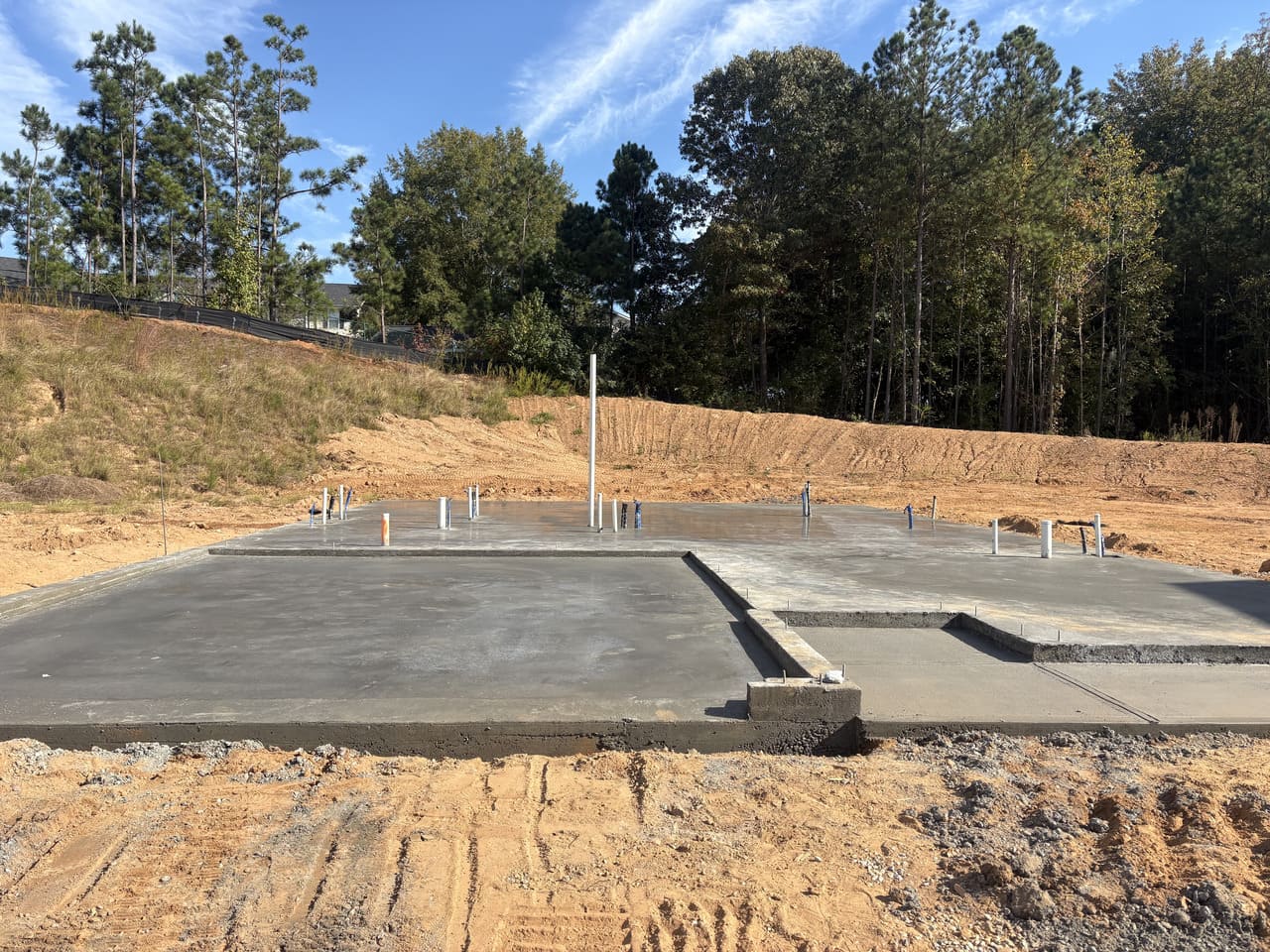
A concrete slab might not be the flashiest part of a property, but it’s one of the most important. Slabs support garages, additions, sheds, and new construction foundations. When the slab is poured correctly, everything built on top of it stays stable, level, and protected from long-term structural issues. When it’s rushed or done without proper prep, the problems show up fast, usually in the form of cracks, settling, drainage issues, or uneven floors.
JPM Construction Services provides professional concrete slab installation in Marietta, GA for residential and light commercial projects. Whether the slab is for a new construction home, a new foundation, a garage build, or an outdoor structure, every pour is handled with careful preparation and clean workmanship. The entire job is completed by an in-house crew, which keeps scheduling consistent and quality under control.
A slab installation should feel straightforward. The plan should be clear, the prep should be done right, and the finished concrete should be strong, level, and built for the long haul. That’s exactly what JPM Construction Services delivers.
Concrete slabs are only as strong as what’s underneath them. That’s why the process matters just as much as the final pour. JPM Construction Services follows a detailed approach to ensure each slab is installed for performance, drainage, and long-term durability.
Site Review and Layout Planning
Every slab project starts with measurements, layout planning, and a review of the installation area. The ground is evaluated for slope, soil stability, and drainage so the slab can be built with the correct thickness and design.
Ground Clearing and Excavation
The area is cleared of grass, roots, debris, and any unstable material. Excavation is completed as needed to reach a proper depth for base material and slab thickness.
Base Building and Compaction
A strong slab needs a strong base. Crushed stone or gravel is installed and compacted to create a stable sub-base that helps prevent settling, cracking, and uneven movement.
Form Setting and Leveling
Forms are installed to define the slab shape and maintain clean edges. Everything is checked for level and alignment so the slab finishes flat and consistent.
Reinforcement Installation
Rebar or wire mesh is added based on the slab’s intended use and load requirements. Reinforcement improves strength and helps reduce cracking over time.
Concrete Placement and Finishing
Concrete is poured, spread evenly, and finished to match the needs of the project. The surface can be broom finished or smooth finished depending on how the slab will be used.
Control Joints and Final Details
Control joints are placed strategically to guide natural cracking and reduce random surface fractures. Edges are cleaned up and the slab is finished with a clean, professional look.
Concrete slabs are used for much more than just small backyard projects. A properly poured slab can serve as a foundation, a structural base, or a clean surface for daily use.
New Construction Home Foundations
Concrete slab foundations are a common choice for new construction homes throughout Marietta and nearby areas. A well-installed slab foundation supports the entire structure and helps prevent future issues with settling, cracking, and uneven flooring.
Residential Slabs for Additions and Expansions
When homeowners add onto their home, the slab matters. Whether it’s a room extension or a new structure, the slab needs to be level, reinforced, and built to support the new space.
Commercial Slabs and New Foundations
Light commercial slab installation requires careful planning and stronger load considerations. JPM Construction Services installs slabs for commercial foundations and builds where stability, code compliance, and long-term durability matter.
Shed and Outdoor Structure Slabs
Sheds, workshops, and storage buildings need solid slab foundations to stay level and usable over time. A clean slab makes the structure more stable and easier to maintain.
Concrete Slabs for Driveways and Flatwork Extensions
In some cases, slab work connects to driveway areas or supports outdoor flatwork projects. Proper grading and base work help everything tie together smoothly.
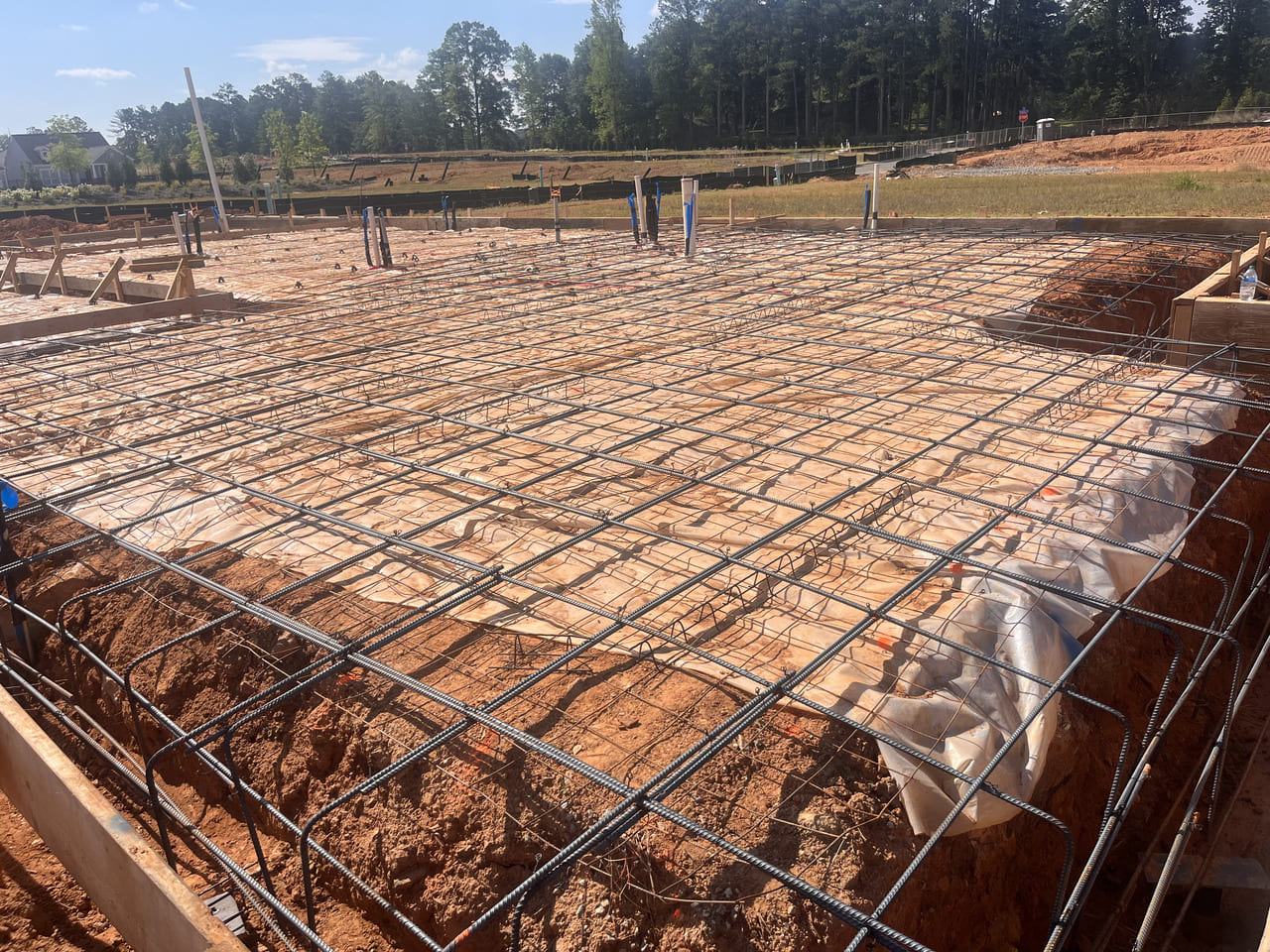
In some cases, a concrete slab can be poured without rebar, but it depends on what the slab will be used for and how much weight it needs to support. Smaller slabs for light-duty use may be able to perform well with the right base preparation and a properly mixed pour. That said, reinforcement is often recommended because it adds strength and helps reduce cracking over time.
For slabs that support vehicles, garages, new construction homes, or commercial foundations, rebar or wire mesh is typically the smarter long-term choice. Reinforcement helps the slab handle shifting soil, heavy loads, and natural expansion and contraction. A professional evaluation makes it easier to choose the right reinforcement approach so the slab stays stable and performs as expected for years to come.
Some slab issues can be repaired, but others signal a bigger problem. When the slab is shifting, breaking down, or no longer stable, replacement is often the smarter long-term solution.
Large Cracks That Keep Spreading
Hairline cracks happen, but deep cracks that widen or spread usually point to movement beneath the slab.
Settling or Uneven Concrete
If one side of the slab is lower than the other, the base may be failing. This is common when compaction or drainage was poorly handled.
Standing Water Around the Slab
Pooling water around slab edges can cause erosion and long-term foundation issues. Proper grading and replacement can correct the slope.
Surface Deterioration
Flaking, crumbling, and surface breakdown often mean the concrete has weakened. Replacement restores strength and usability.
Structural Needs for New Construction
If a property is being upgraded, expanded, or rebuilt, a new slab foundation may be required to meet current standards and support the structure properly.
Concrete looks simple on the surface, but small shortcuts during installation can lead to cracking, settling, and premature wear. Here are a few of the most common mistakes that can cause problems later on.
Concrete is only as strong as what it’s poured on. If the base isn’t graded and compacted correctly, the slab can settle, crack, or shift over time.
A slab that’s poured too thin won’t hold up under heavy loads or daily use. Proper thickness is especially important for garage slabs, foundations, and commercial concrete work.
Rebar or wire mesh helps concrete stay stronger and more stable as it cures and ages. Without reinforcement, slabs are more likely to crack and separate under pressure or soil movement.
Finishing too quickly can leave the surface uneven, rough, or weak in certain areas. A clean, consistent finish takes time and proper timing during the pour.
Concrete that isn’t poured with the right slope can trap water and create pooling issues. Poor drainage leads to surface wear, erosion, and long-term damage around the slab or driveway.
Concrete slab installation is a major focus, but JPM Construction Services also provides a full range of residential and light commercial concrete work throughout Marietta, Alpharetta, Dallas, Kennesaw, and Douglasville.
New concrete driveways are installed with proper grading, reinforcement, and finishing to ensure long-term performance. Each driveway is built to handle daily use while improving the overall look of the property.
Cracked, uneven, or worn driveways can often be restored with professional repairs. Damaged sections are removed and replaced to improve safety, appearance, and longevity.
Damaged or failing slabs are removed and replaced with clean, level concrete surfaces. Replacement ensures improved drainage, strength, and compliance with current standards.
Garage slabs are installed to support vehicle weight, storage loads, and regular use. Each slab is reinforced and poured to maintain stability over time.
Concrete sidewalks are installed to improve safety, accessibility, and curb appeal. Clean finishes and proper grading help ensure long-term durability.
Uneven or damaged sidewalk sections are removed and replaced to restore a smooth walking surface. Repairs help improve safety and prevent further deterioration.
Concrete retaining walls are built to manage elevation changes and control soil movement. Each wall is designed for structural strength and long-term performance.
These retaining walls provide essential structural support while enhancing the appearance of the landscape. Designs balance durability with visual appeal.
Custom form and pour concrete services allow precise layouts and consistent finishes. This approach ensures each project meets specific size, shape, and performance needs.
It depends on what the slab is being used for. Slabs for foundations, garages, and commercial projects often require greater thickness and reinforcement.
Concrete continues curing over time, but most slabs can handle light use within a couple of days. Heavier loads typically require about a week or more depending on conditions.
Most slabs benefit from reinforcement, especially if they’ll support vehicles, structures, or heavy equipment. Reinforcement helps reduce cracking and improves long-term strength.
Yes. JPM Construction Services installs slabs for new construction homes and new foundations in both residential and commercial settings.
Yes. Old concrete can be removed, hauled away, and replaced after the base is properly regraded and prepared.
JPM Construction Services makes concrete slab installation clear and dependable from start to finish. From base preparation and reinforcement to the final pour and finish, every detail is handled with care and professionalism. Whether the project is a new construction home foundation, a new commercial slab, or a residential structure base, the work is built for strength and long-term performance.
Reach out today to schedule a free estimate for concrete slab installation in Marietta, GA and surrounding areas.
Your local concrete contractor specializing in driveway installs to slabs, sidewalks, and retaining walls.